Metallizing, also known as thermal spray coating has played a decisive yet often understated role in extending the service life of industrial assets. Long before corrosion protection became a quantified engineering discipline, metallizing emerged as a practical method to deposit protective metal layers directly onto steel surfaces, translating metallurgical principles into durable, field-applicable solutions. Unlike bulk galvanizing or factory-bound coatings, metallizing offered flexibility, repairability, and scalability, making it indispensable as infrastructure expanded in size, complexity, and exposure severity.
Over time, metallizing evolved alongside industrial priorities: from early experimental flame-based coatings to standardized corrosion protection systems used across marine, power, oil & gas, and infrastructure sectors. Advances in metallurgy, spray equipment, consumables, and surface preparation steadily transformed metallizing from a rudimentary coating method into a precision-controlled surface engineering process. Today, metallizing is not merely a protective layer but a lifecycle-oriented strategy aligned with durability, maintainability, and long-term asset economics.
This blog traces the historical journey of metallizing—examining its origins, technological milestones, industrial adoption, and how modern engineering has reshaped its role in corrosion control and surface protection.
Origins of Metallizing
The roots of metallizing lie in early experiments with molten metals and adhesion. As early as the late 19th century, engineers and scientists explored ways to project molten or semi-molten metal particles onto surfaces to form protective layers. These early efforts were driven less by corrosion science and more by mechanical necessity—repairing worn components, rebuilding surfaces and extending the usability of expensive parts.
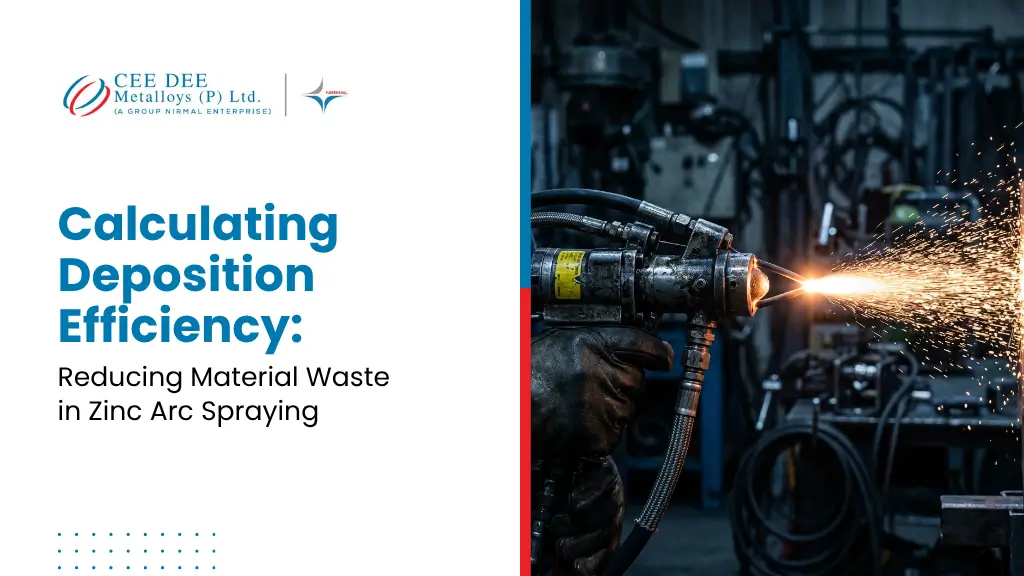
A major breakthrough came in the early 1900s with the development of flame spray technology. By melting metal wire or powder in a high-temperature flame and propelling it onto a prepared surface, engineers discovered that a mechanically bonded metallic coating could be formed without melting the base material. This principle—solid substrate, molten spray—became the foundation of all subsequent metallizing processes.
Early metallized coatings were inconsistent, porous, and poorly understood, largely due to limited control over spray parameters and surface preparation. Adhesion relied heavily on surface roughness rather than metallurgical bonding. Nonetheless, these early coatings demonstrated a critical insight: metal layers could be applied on-site, at scale, without immersion or factory constraints.
How Metallizing Became a Functional Protection System
The rapid industrial expansion of the early 20th century exposed steel structures to environments far harsher than previously encountered. Bridges, industrial plants, ships, and power infrastructure faced accelerated corrosion, and conventional paint systems proved insufficient. Metallizing offered a new approach—combining metallic corrosion protection with the flexibility of field application.
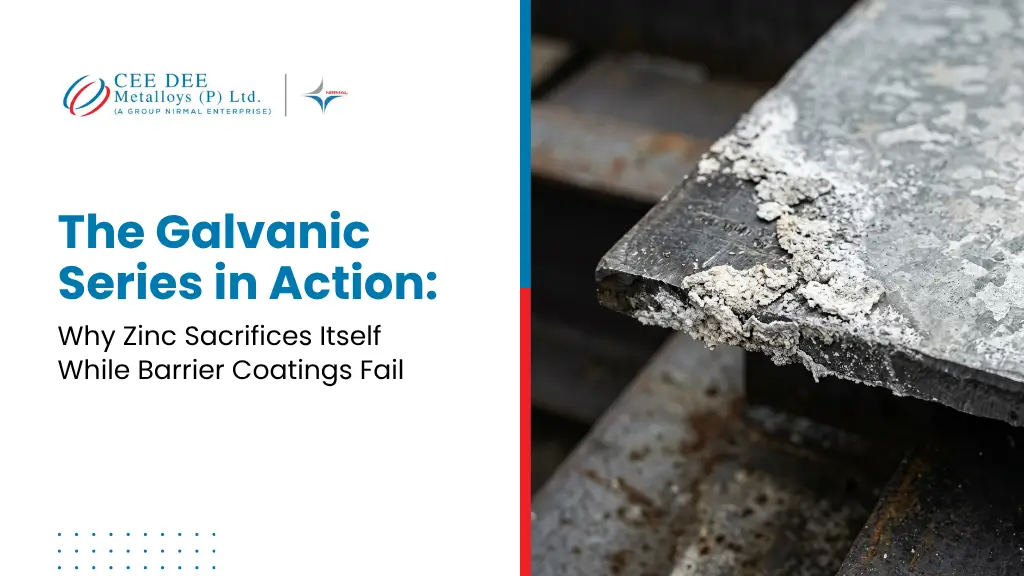
Zinc and aluminium quickly became the dominant metallizing materials due to their sacrificial and barrier properties. When applied as sprayed coatings, these metals provided electrochemical protection similar to galvanizing, but without size limitations. Early applications focused on:
- Corrosion protection of bridges and structural steel
- Marine and coastal assets exposed to saltwater
- Repair and refurbishment of worn industrial components
During this phase, metallizing transitioned from repair-oriented use to proactive corrosion prevention. However, the absence of standards meant performance varied widely, and outcomes depended heavily on operator skill.
Metallizing and Infrastructure Growth
The World Wars marked a turning point in the history of metallization. Wartime corrosion failures in ships, weapons, and logistics infrastructure highlighted the strategic importance of durable coatings. Post-war reconstruction further accelerated demand for long-life corrosion protection systems that could be applied rapidly across large structures.
Technological progress during this period transformed metallizing into a repeatable industrial process. The introduction of electric arc spray systems improved deposition rates and coating consistency, while a better understanding of surface preparation, particularly grit blasting, dramatically enhanced adhesion and coating performance. Standards began to emerge, defining coating thickness, porosity limits, and application procedures.
Metallizing gained widespread acceptance in bridges and transportation infrastructure, power plants and transmission structures, marine docks, ship hulls and offshore platforms. The ability to combine metallized coatings with sealers and paint systems further improved durability, creating multi-layer protection strategies that significantly extended asset life.
Metallizing in the Indian Industry
In India, metallizing adoption closely followed infrastructure and industrial growth patterns. While early use was limited, large-scale adoption accelerated from the late 20th century onward as power generation, transmission networks, ports, refineries, and steel-intensive projects expanded rapidly.
Key drivers included:
- Coastal infrastructure exposure and marine corrosion
- Large steel structures unsuitable for hot-dip galvanizing
- Increasing lifecycle cost awareness among EPC contractors
- Adoption of international corrosion protection standards
Indian applicators and manufacturers progressively upgraded from basic flame spray systems to advanced arc spray equipment, supported by improved consumables, surface preparation practices, and quality control protocols. Metallizing evolved from a niche technique into a strategic corrosion protection solution for long-life infrastructure.
Metallizing as a Surface Engineering Process in the Modern Era
Today, metallizing represents a convergence of materials science, process engineering, and lifecycle performance management. Modern thermal spray systems offer precise control over spray parameters, coating thickness, and deposition efficiency, enabling predictable and repeatable outcomes across large-scale projects.
Surface preparation is now recognised as critical, with controlled grit profiles ensuring mechanical interlocking and long-term adhesion. Metallized coatings are engineered to specific thickness ranges, often followed by sealers or topcoats to reduce porosity and enhance durability. These systems routinely deliver service lives exceeding 25–40 years in aggressive environments.
Global adoption reflects this maturity. The thermal spray market is projected to grow from approximately USD 13.5 billion in 2024 to over USD 21 billion by 2033, driven by infrastructure renewal, offshore energy, and sustainability-focused asset management. Zinc and aluminium metallizing remain central to corrosion protection, particularly where long service life and minimal maintenance are critical.
This evolution—from experimental molten metal spraying to engineered corrosion protection systems—mirrors a broader industrial shift. As assets grow more capital-intensive and downtime more costly, metallizing has transitioned from a coating option to a strategic durability investment.
The history of metallizing is not simply a story of coating technology—it is a reflection of how industries respond to corrosion risk, scale, and long-term value creation. What began as a repair technique has matured into a precision-controlled surface engineering solution that underpins infrastructure resilience worldwide.
As global standards tighten and asset lifespans extend, metallizing will continue to play an expanding role—not as an alternative to other coatings, but as a core component of integrated corrosion protection systems. Its evolution underscores a fundamental industrial truth: durability is engineered, not assumed.