ZnAl wires, or Zinc–Aluminium alloy wires used primarily in thermal spray metallizing have played a decisive yet often understated role in modern corrosion protection. Zinc–aluminium alloy wires address the shortcomings of using only zinc or aluminium coatings, offering better durability when applied in the field. They combine the sacrificial protection of zinc with the barrier and passivation benefits of aluminium, offering a balanced, high-performance corrosion resistance solution for steel and aluminium structures exposed to aggressive environments.
Unlike bulk galvanizing or factory-bound alloy coatings, ZnAl metallizing provides flexibility, repairability and scalability. These characteristics make ZnAl wires increasingly relevant as global infrastructure is expanding in size, complexity and exposure severity. Over time, ZnAl wires evolved from experimental alloy consumables into standardized, application-specific materials central to long-life corrosion protection strategies.
- ZnAl wires developed from decades of alloy metallurgy work aimed at combining zinc’s sacrificial protection with aluminium’s barrier performance.
- Thermal spray wire systems made ZnAl alloys easy to feed, melt and apply consistently using flame and arc spray equipment.
- ZnAl coatings (5–15% aluminium) corrode more slowly and more predictably than pure zinc or pure aluminium coatings.
- ZnAl systems can last 30–40 years in harsh environments and cut lifecycle costs by 25–35% versus paint alone.
- India’s coastal infrastructure, EPC design-life requirements and international standards (ISO 12944, NORSOK) are driving fast-growing ZnAl demand.
- Demand for ZnAl wire in India is projected to grow 6–8% annually over the next decade.
Origins of ZnAl Wires
ZnAl wires have developed over time from the combined fields of alloy metallurgy and thermal spray technology. By the mid-20th century, engineers had identified zinc and aluminium as suitable materials for coating. However, practical experience showed some drawbacks: zinc provides strong sacrificial protection but does not perform well at high temperatures. On the other hand, aluminium offers great barrier protection but does not protect as well electrochemically when coatings are damaged.
To address this, metallurgists began alloying zinc and aluminium to combine the benefits of both metals. Early alloy mixtures focused more on real-world results than on corrosion science. They aimed for longer coating life, less frequent maintenance and better performance in marine and industrial environments.
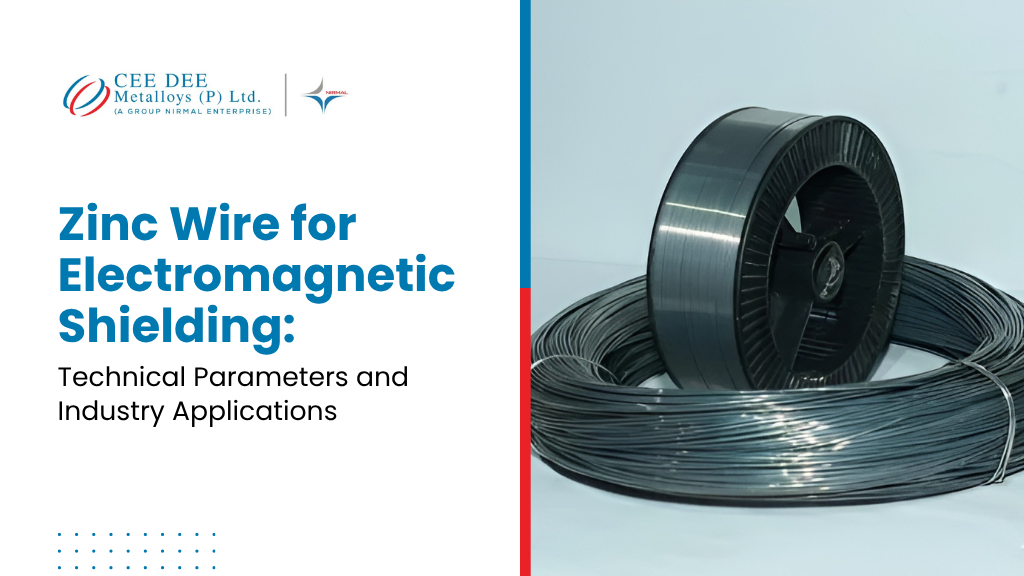
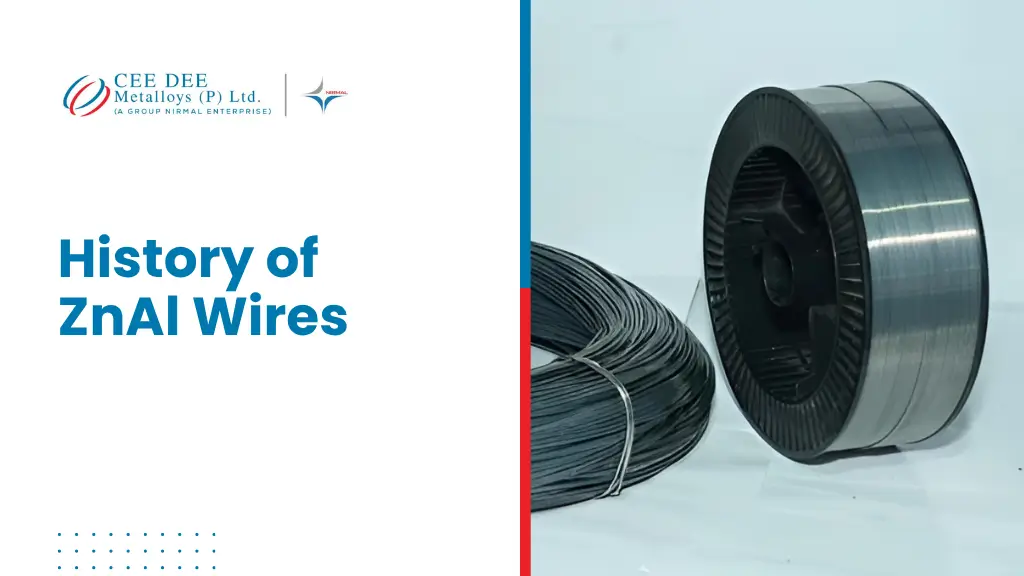
As thermal spray systems that use wires were developed, ZnAl alloys were turned into consumable wires. This change allowed for easy feeding, steady melting and reliable application using flame and arc spray equipment. The principle remained the same: solid steel surfaces were coated with molten alloy particles that bond mechanically to a prepared surface. What improved was the predictability of performance.
How ZnAl Wires Became a Functional Protection System
By the late 20th century, ZnAl wires became standard in industrial use because of better understanding of corrosion and the needs of large infrastructure. Long-term tests in tough environments showed that zinc-aluminium coatings protect better than pure zinc or aluminium. ZnAl wires, which contain 5–15% aluminium, use zinc’s sacrificial properties and aluminium’s ability to form stable oxide barriers. This makes them suitable for providing long-lasting protection against corrosion in big structures.
Key performance features include:
| Feature | Description |
|---|---|
| Balanced Protection | Zinc provides sacrificial protection, while aluminium helps stabilize corrosion products, maintaining effectiveness even when damaged. |
| Predictable Corrosion Rates | ZnAl alloys corrode more slowly than pure zinc, making it easier to predict their lifespan and plan for maintenance. |
| Resistance to Corrosion Under Coating | The formation of aluminium oxide helps limit corrosion beneath the coating, keeping structures strong in harsh environments. |
| Works with Multi-Layer Systems | ZnAl coatings can support high-performance topcoats, helping create systems designed for long life. |
| Easy to Apply On-Site | Wire-based thermal spray allows for effective corrosion protection of large structures without size limits. |
Today, ZnAl wires are vital for corrosion protection strategies focused on durability. They can last 30–40 years in harsh environments and lower lifecycle costs by 25–35% compared to just using paint. As investment in global infrastructure increases, ZnAl wires are key to ensuring long-term performance and resilience in areas like offshore energy and transportation.
ZnAl Wires in the Indian Industry
In India, the demand for zinc-based metallizing wires is growing due to major infrastructure development and a focus on durability. With a coastline of over 7,500 km, the country faces serious corrosion issues in its ports, refineries, and power facilities. National infrastructure investments have increased, now exceeding USD 120–130 billion each year and aiming for USD 1.4 trillion by 2030. As steel use in bridges and offshore structures grew, traditional painting and galvanizing methods proved inadequate. Zinc metallizing became a viable solution, with ZnAl wire systems being preferred over pure zinc for their better durability and cost-effectiveness, providing service lives of 30–40 years. Key points driving the demand for ZnAl wires in India today include:
| Driver | Description |
|---|---|
| Severe Marine and Coastal Corrosion | ZnAl metallizing gained popularity in ports, coastal power plants, shipyards, and offshore structures on India’s coasts. The alloy’s slower consumption rates and better barrier performance work well against high chloride exposure compared to traditional zinc coatings. |
| Large Steel Structures | Transmission towers, long-span bridges, refinery structures, and industrial plants often exceed the limits of galvanizing baths. ZnAl wire thermal spray offers on-site protection against corrosion without size limitations, making it suitable for large steel structures. |
| Durability in EPC Contracts | EPC contracts are now focusing more on performance, requiring 25–40 year design lives. ZnAl coatings, especially in duplex systems, meet these needs by providing predictable service life and lower maintenance costs. |
| International Corrosion Standards | The adoption of ISO 12944, NORSOK, and other global standards in Indian projects has led to more formal use of ZnAl metallizing in C5 and CX environments. Specifications increasingly mention alloy composition, thickness, and sealing systems, promoting standardized use. |
The ZnAl wire industry in India has changed from a niche market to a vital part of corrosion protection for infrastructure. Local manufacturers have improved alloy quality, wire straightness, and surface cleanliness, boosting spray performance. India now uses tens of thousands of tonnes of metallizing wire every year, with ZnAl’s share increasing as long-lasting specifications become common. Demand is expected to grow by 6–8% each year over the next decade, driven by coastal infrastructure, renewable energy projects, and initiatives to extend the life of assets. What started as a specialized product now plays a crucial role in enhancing durability and meeting global corrosion protection standards in India.
ZnAl Wires as a Surface Engineering Material in the Modern Era
Today, ZnAl wires represent a mature convergence of alloy design, process control, and lifecycle engineering. Modern thermal spray systems allow precise control over deposition rate, coating thickness, and microstructure. Surface preparation standards ensure reliable mechanical interlocking, while post-spray sealing reduces porosity and enhances durability.
ZnAl metallized systems routinely achieve service lives of 30–40 years in aggressive environments, particularly when integrated with compatible sealers or paint systems. This performance has positioned ZnAl wires as a preferred choice for sustainability-driven asset management, where reduced maintenance and lower lifetime emissions matter as much as upfront cost.
Global growth mirrors this maturity. The thermal spray industry continues to expand, driven by infrastructure renewal, offshore energy, and long-term corrosion mitigation strategies. Within this landscape, ZnAl wires remain central—offering a proven balance between protection, durability, and economic efficiency.
Zinc-aluminium wires in India are setting new standards in corrosion protection. What started as an experiment with metal alloys has turned into a strong choice for long-lasting performance. As the need for better infrastructure grows, ZnAl coatings are becoming a key part of corrosion protection plans. This change highlights that good corrosion protection is not just about picking the right materials. It also involves managing the composition and production process while keeping long-term performance in mind.