Zinc rods occupy a critical but often overlooked position in the industrial coatings supply chain. While zinc wire for arc spray systems attracts significant attention in the corrosion protection industry, zinc rods for flame spray metallizing and cathodic protection remain essential consumables for a wide range of applications. Understanding the uses, grades, and selection criteria for zinc rods is important for coating contractors, plant engineers, and procurement specialists who need to specify the right product for the right job.
CeeDee Metalloys is an established manufacturer of zinc metallizing consumables, supplying zinc wire, zinc rods, zinc-aluminium wire, and zinc metallizing spray machines to industrial customers across India. This article provides a comprehensive guide to the uses of zinc rods in industrial coating applications, drawing on our extensive experience in the sector.
Key Highlights
- Zinc rods serve as primary feedstock for flame spray metallizing systems used across industrial coating applications.
- High-purity zinc rods (99.9% or better) ensure consistent coating quality and electrochemical protection performance.
- Zinc rods are also used as sacrificial anodes in cathodic protection of pipelines, tanks, and marine structures.
- Rod diameter must match the specific flame spray gun model being used for reliable wire feeding and arc stability.
- CeeDee Metalloys supplies zinc rods to contractors across India from Delhi to Gujarat, Kolkata, and beyond.
- Alloy variants including zinc-aluminium rods provide enhanced performance in marine and industrial chemical environments.
In This Article
- What Are Zinc Rods?
- How Zinc Rods Work in Flame Spray Systems
- Types and Grades of Zinc Rods
- Target Applications in Industrial Coatings
- Industry Applications
- Commercial and Infrastructure Uses
- Speciality and Niche Applications
- How to Choose the Right Zinc Rod
- Performance, Maintenance, and Best Practices
- CeeDee Metalloys Serves Customers Across India
- Related Reading
- Frequently Asked Questions
1. What Are Zinc Rods?
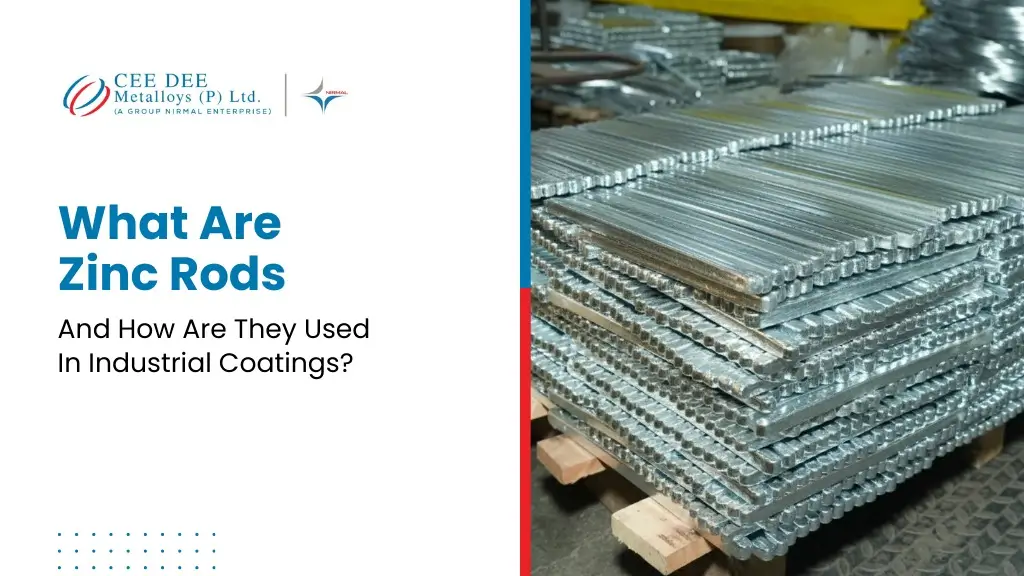
Zinc rods are solid cylindrical feedstock products manufactured from high-purity zinc metal, typically to a specific diameter and length determined by the spray gun or application equipment for which they are intended. In the context of industrial coatings, the term “zinc rod” most commonly refers to the rod-shaped feedstock used in combustion or flame spray metallizing guns, though the term also encompasses zinc anode rods used in cathodic protection and plating applications.
The production of zinc rods involves continuous casting or extrusion of molten zinc through a die to produce rods of precise dimensions. Surface quality, straightness, and dimensional consistency are critical manufacturing parameters, as deviations from specification can cause feeding problems in spray guns and inconsistent arc characteristics that degrade coating quality.
Data Callout: Zinc is the fourth most consumed metal in the world after iron, aluminium, and copper. Approximately 50% of all zinc produced globally is used for corrosion protection of steel, making zinc rods and wire among the most commercially significant industrial consumable products.
Zinc Rods vs. Zinc Wire
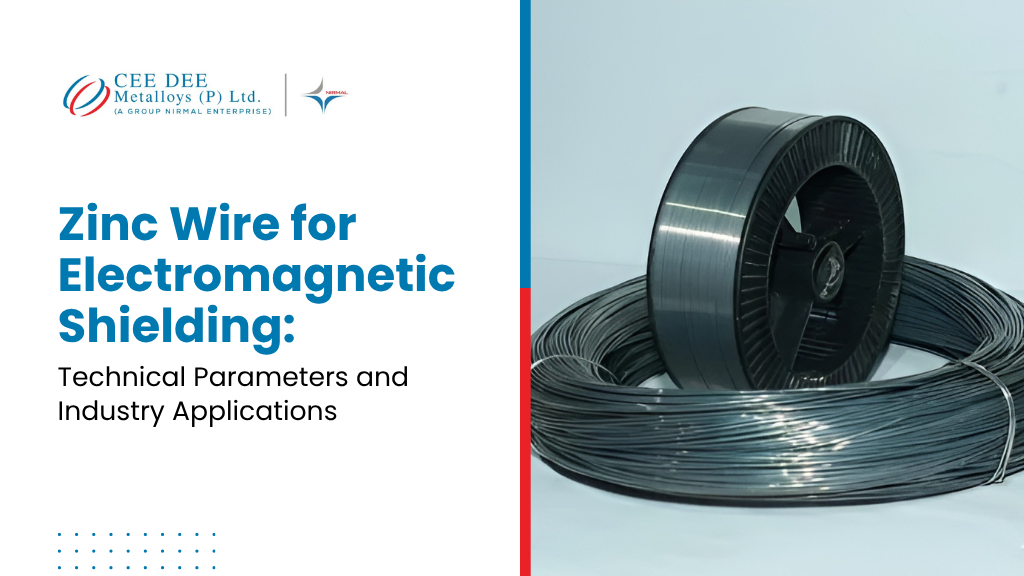
Zinc rods and zinc wire serve similar functions as thermal spray feedstock but are designed for different spray gun technologies. Zinc rods are rigid, straight consumables fed into rod-type flame spray guns. Zinc wire is a flexible, coiled consumable fed continuously from a spool into wire-fed arc spray or flame spray guns. The choice between rods and wire depends on the specific spray equipment available and the scale of the application.
2. How Zinc Rods Work in Flame Spray Systems
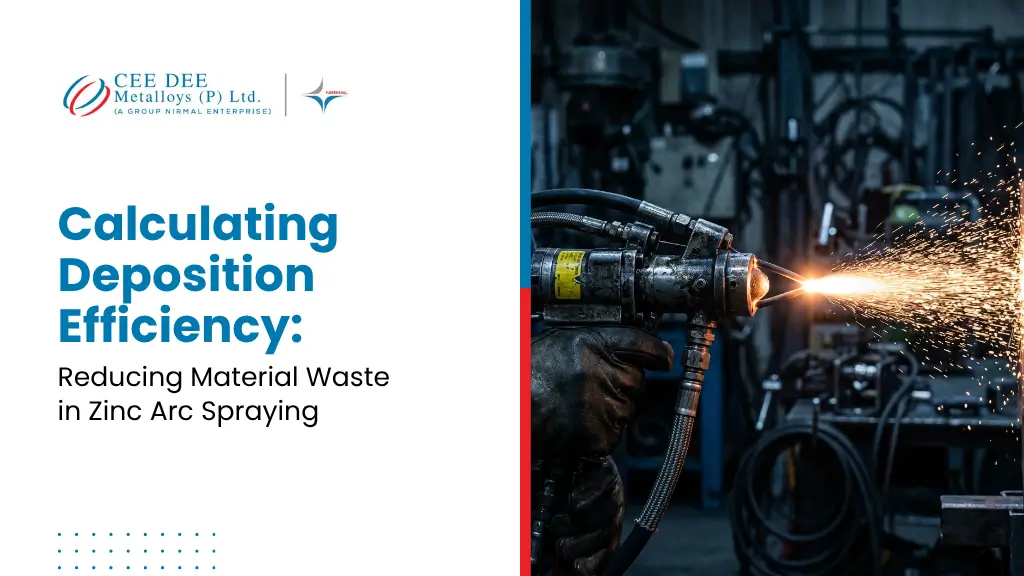
In a rod-fed flame spray gun, the zinc rod is automatically or manually fed into the centre of an oxy-fuel or air-fuel flame. The heat of the flame melts the tip of the rod, and compressed air atomises the molten zinc into fine droplets that are projected toward the substrate. As successive rods are consumed, the coating builds up to the specified thickness.
The Combustion Flame Spray Process
The flame temperature in a standard oxy-acetylene flame spray gun reaches approximately 3,100 degrees Celsius at the tip, well above the melting point of zinc (419 degrees Celsius). This significant thermal margin ensures complete, consistent melting of the rod tip with each pass. The combustion gases also serve as a reducing environment that minimises zinc oxide formation within the coating, preserving the electrochemical activity of the deposited zinc.
Rod Feed Mechanism
Rod-fed flame spray guns use a mechanical feed mechanism driven by an air-powered motor to advance the rod at a controlled rate. The feed rate is calibrated to match the rate of rod consumption at the specified spray parameters, ensuring a continuous, stable spray process. Correct rod diameter and straightness are essential for smooth operation of the feed mechanism.
Rod-fed flame spray guns are generally simpler and more portable than arc spray systems. They do not require an electrical power supply, making them particularly suitable for remote site applications where generator access may be limited. The zinc metallizing spray machine range from CeeDee Metalloys includes options suited to both rod-fed and wire-fed spray processes.
3. Types and Grades of Zinc Rods
Zinc rods for industrial coatings are available in several grades and alloy compositions to meet different performance requirements.
| Grade | Zinc Content | Key Alloying Elements | Primary Application | Standard |
|---|---|---|---|---|
| Special High Grade (SHG) | 99.99% min | None | Precision coatings, electronics | ASTM B6 SHG |
| High Grade (HG) | 99.95% min | None | General flame spray metallizing | ASTM B6 HG |
| Zinc-Aluminium Alloy | 85% Zn | 15% Al | Marine, offshore coating | ISO 14919 |
| Zinc-Tin Alloy | 80% Zn | 20% Sn | Electronics, thin film applications | ISO 14919 |
Dimensional Standards for Zinc Rods
Zinc rods for flame spray applications are most commonly manufactured to 4.76 mm (3/16 inch) or 6.35 mm (1/4 inch) diameter. Length is typically 305 mm (12 inches) or 457 mm (18 inches). Dimensional tolerances are critical: diameter tolerance is typically plus or minus 0.05 mm, and straightness must be maintained to ensure smooth passage through the gun feed mechanism.
4. Target Applications in Industrial Coatings
Zinc rods find application wherever flame spray metallizing is the preferred coating method, as well as in several non-coating cathodic protection and electrochemical applications.
Flame Spray Metallizing of Structural Steel
The most widespread use of zinc rods in industrial coatings is as feedstock for flame spray metallizing guns applied to structural steel. Bridges, storage tanks, pipeline components, and structural steelwork in industrial facilities are regularly coated using rod-fed flame spray systems. The process applies a continuous zinc coating that provides both barrier and galvanic corrosion protection.
On-Site Maintenance and Repair Coating
One of the significant advantages of rod-fed flame spray over arc spray is the portability and simplicity of the equipment. Maintenance teams can carry a flame spray gun and a supply of zinc rods to remote locations without requiring electrical power, enabling cost-effective touch-up and repair of existing zinc coatings on bridges, jetties, and industrial structures.
Cathodic Protection Sacrificial Anodes
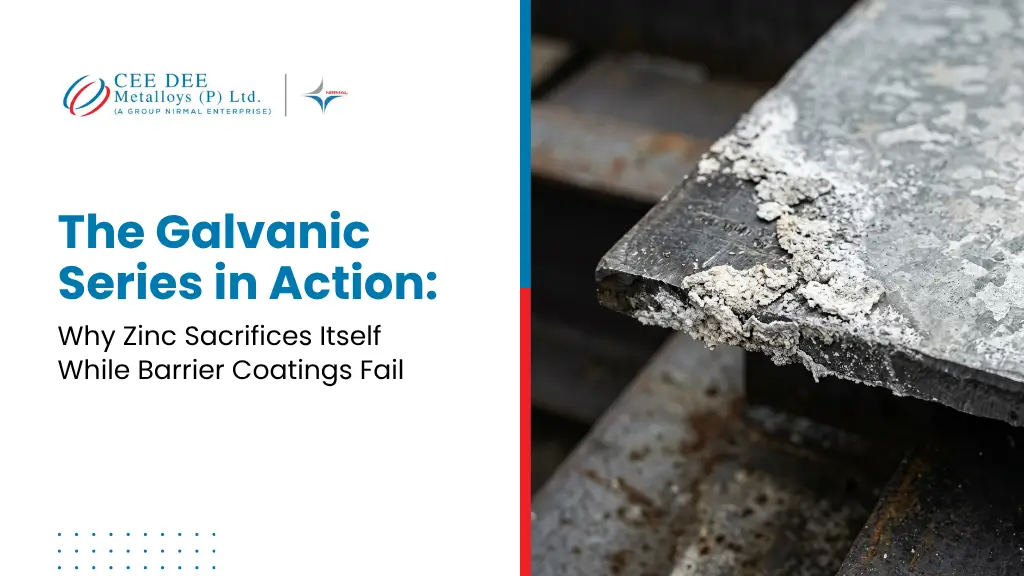
Zinc rods are also used as sacrificial anode material in impressed current and galvanic cathodic protection systems. In this application, the zinc rod is connected to the steel structure being protected and dissolves preferentially, supplying protective current that suppresses corrosion of the steel.
📖 Also Read: 10 Lesser-Known Industrial Applications of Zinc Rods
5. Industry Applications
Zinc rods in industrial coatings serve multiple sectors, each with specific performance requirements that guide the selection of rod grade, diameter, and alloy composition.
Oil and Gas Sector
In the oil and gas industry, zinc rods are used for both on-site flame spray maintenance of above-ground pipelines and as anode material in cathodic protection systems for buried pipelines and offshore structures. The portability of rod-fed spray equipment makes it well suited to pipeline maintenance in remote locations. See our applications page for a full overview of oil and gas coating solutions from CeeDee Metalloys.
Marine and Shipbuilding
Zinc rods are consumed in significant quantities by the shipbuilding and ship repair industry for flame spray metallizing of vessel hull sections, ballast tank interiors, and exposed deck fittings. Rod-fed flame spray systems are frequently used in dry dock for localised maintenance coating where the set-up of a full arc spray installation is not warranted.
Power and Utilities
Power stations, substations, and utility infrastructure including water towers, transformer housings, and transmission line structures are protected with zinc coatings applied using both arc spray and flame spray (rod-fed) systems. The long service life of zinc coatings reduces the maintenance burden on utility operators and extends asset life significantly.
Get Industrial-Grade Zinc Rods from CeeDee Metalloys
CeeDee Metalloys manufactures and supplies zinc rods and zinc wire to industrial coating contractors, maintenance teams, and fabricators across India. Contact our team for technical specifications, pricing, and delivery options.
Construction and Infrastructure
Steel bridges, elevated roads, and infrastructure structures are significant users of zinc rods for maintenance flame spray coating. Local authorities and highway agencies maintain stocks of zinc rods and portable flame spray equipment to enable prompt response to coating damage identified during routine bridge inspections.
6. Commercial and Infrastructure Uses
Beyond heavy industry, zinc rods play an important role in protecting commercial infrastructure and utility assets from corrosion.
Water Infrastructure
Steel water towers, reservoir roofs, and pipeline structures at water treatment facilities are maintained using flame spray zinc coating. The non-toxic nature of high-purity zinc makes it suitable for use in proximity to potable water systems. Bio-zinc products from CeeDee Metalloys are specifically formulated for water-contact applications.
Agricultural and Rural Infrastructure
Steel silos, grain storage bins, and rural infrastructure including farm buildings and irrigation pipework in agricultural regions are protected with zinc flame spray coatings. Rod-fed portable equipment is particularly practical for agricultural maintenance applications in remote rural locations far from electrical infrastructure.
Industrial Storage and Processing Tanks
Above-ground storage tanks at chemical plants, refineries, and food processing facilities receive periodic maintenance coating with zinc flame spray to extend service life and defer the cost of full-scale tank replacement.
📖 Also Read: Zinc Aluminium Wires: Metal Protection Benefits
7. Speciality and Niche Applications
Zinc rods also serve several specialised applications that fall outside conventional structural coating work.
Electroplating and Zinc Refining
In electroplating operations, zinc rods are used as anode material in zinc plating baths. The rod dissolves at a controlled rate to replenish the zinc ion concentration in the electrolyte, maintaining consistent plating bath chemistry. High-purity SHG zinc rods are required to avoid contamination of the plating bath with trace elements that could degrade coating quality.
Thermal Spray on Non-Ferrous Substrates
Zinc rods can be flame-sprayed onto aluminium and copper substrates to provide corrosion protection or to create a zinc-rich primer layer before subsequent paint coatings. This technique is used in marine and aerospace applications where the base metal is non-ferrous but requires additional surface protection.
Research and Development Applications
Materials researchers and coating laboratories use zinc rods to produce test specimens for evaluating new coating formulations, sealer chemistries, and surface treatment protocols. The ability to produce controlled zinc spray deposits with rod-fed equipment enables systematic variation of coating parameters in experimental studies.
8. How to Choose the Right Zinc Rod
Selecting the correct zinc rod for a specific industrial coating application requires consideration of purity, diameter, alloy composition, and compatibility with available spray equipment.
Purity Requirements
For general structural coating applications, High Grade (HG) zinc rods meeting ASTM B6 or equivalent are appropriate. For applications requiring maximum electrochemical efficiency or where coating contamination must be minimised, Special High Grade (SHG) zinc rods at 99.99% purity should be specified.
Diameter Selection
The rod diameter must match the internal diameter of the flame spray gun feed mechanism. Using undersized rods causes erratic feeding and inconsistent coating quality. Using oversized rods can jam the feed mechanism and damage the gun. Always confirm the correct rod diameter with the spray gun manufacturer or consult CeeDee Metalloys for guidance.
Alloy vs. Pure Zinc
For standard atmospheric coating applications, pure zinc rods provide the best combination of cost and performance. For aggressive marine or industrial environments, zinc-aluminium alloy products provide superior long-term corrosion resistance. For applications involving tin-zinc alloy coatings, such as electronic component protection, tin-zinc wire and rod products are available from CeeDee Metalloys.
When ordering zinc rods for a new project, always request material test certificates confirming the chemical composition and dimensional compliance of the batch. CeeDee Metalloys provides full traceability documentation with all zinc rod and wire supply orders as part of our quality assurance commitment.
9. Performance, Maintenance, and Best Practices
Getting the most from zinc rod flame spray coatings requires attention to several best practice principles throughout the coating process.
Storage of Zinc Rods
Zinc rods should be stored in dry conditions away from moisture and chemical contamination. Rods exposed to moisture may develop surface zinc oxide or zinc hydroxide films that can interfere with combustion and coating quality. Packaging should be kept intact until rods are needed, and opened packs should be used promptly.
Spray Parameter Optimisation
Optimal coating quality from rod-fed flame spray requires correct calibration of gas flow rates, air pressure, and rod feed speed for the specific rod diameter and alloy composition being used. Manufacturer recommendations should be followed, and trial sprays on test panels should be performed before coating critical structures.
Key Takeaways
- Zinc rods are primary feedstock for flame spray metallizing guns used extensively in industrial coating applications.
- High-purity grades (HG or SHG) ensure consistent coating quality and maximum electrochemical protection efficiency.
- Rod diameter must match the spray gun specification to ensure reliable, consistent coating deposition.
- Zinc-aluminium alloy rods provide enhanced performance in marine, offshore, and high-corrosivity environments.
- Rod-fed flame spray systems are portable and do not require electrical power, making them ideal for remote field applications.
- Proper storage and handling of zinc rods preserves their performance characteristics up to the point of use.
10. CeeDee Metalloys Serves Customers Across India
CeeDee Metalloys distributes zinc rods, zinc wire, and metallizing equipment to industrial coating contractors and maintenance teams throughout India. Our logistics network ensures reliable supply to project sites across all major industrial regions.
Zinc Aluminium Wire Suppliers
Metallizing Spray Machine Suppliers
Zinc Wire Suppliers
11. Related Reading
Articles
12. Frequently Asked Questions
What are zinc rods used for in industrial coatings?
Zinc rods are used as feedstock in flame spray metallizing systems to deposit protective zinc coatings on steel structures. They are also used as sacrificial anodes in cathodic protection systems and as filler material in zinc-rich repair compounds.
What purity of zinc rods is required for flame spray metallizing?
High-purity zinc rods of at least 99.9% zinc content are required for industrial flame spray metallizing applications. Higher purity (99.99%) reduces contamination of the coating and ensures consistent electrochemical protection.
What diameter zinc rods are used in flame spray guns?
Flame spray guns designed for zinc rods typically accept diameters of 4.76 mm (3/16 inch) or 6.35 mm (1/4 inch). The correct diameter must match the specific spray gun model being used.
Can zinc rods be used for both new construction and maintenance coating?
Yes. Zinc rods for flame spray metallizing are equally suitable for new construction coating in workshop environments and for on-site maintenance coating of existing structures. Portable flame spray guns accepting zinc rod feedstock are lightweight and easy to use in the field.
How do zinc rods compare to zinc wire in metallizing applications?
Zinc rods are used with flame spray guns that accept rod feedstock, while zinc wire is used with both arc spray and wire-fed flame spray systems. Arc spray wire systems generally offer higher productivity and coating density. Rod-fed flame spray systems are often preferred for smaller jobs and field maintenance.
What standards govern the use of zinc rods in industrial coatings?
Key standards include ISO 14919 (thermal spray feedstock specifications), ISO 2063 (thermal spray zinc and aluminium coatings), and SSPC-CS 23.00 (specification for the application of thermal spray coatings). ASTM B6 governs zinc metal purity grades.
Where can I buy high-quality zinc rods for industrial coating applications in India?
CeeDee Metalloys manufactures and supplies zinc rods for industrial flame spray metallizing applications across India. Products are available through our distribution network covering Delhi, Gujarat, Rajasthan, Uttar Pradesh, Kolkata, and other major industrial centres. Visit mistyrose-ostrich-677126.hostingersite.com/ for more information.
Are there alloy alternatives to pure zinc rods for industrial coatings?
Yes. Zinc-aluminium alloy rods and zinc-tin alloy rods are available for specialised applications where enhanced corrosion resistance or specific coating properties are required. CeeDee Metalloys can advise on alloy selection for specific environments and performance requirements.