

Tin-Zinc Wires
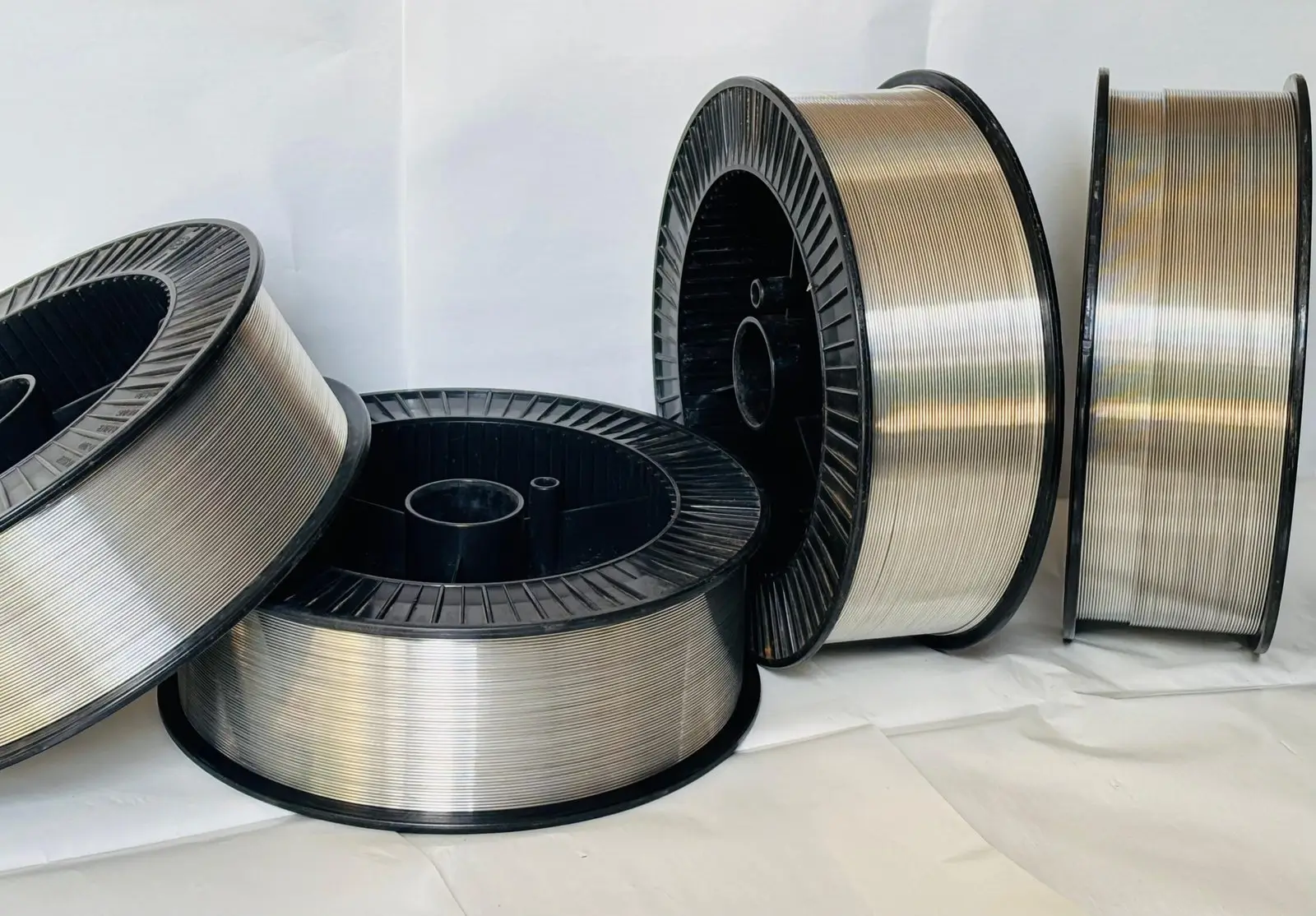
Tin-zinc (SnZn) alloy wires are specially engineered alloys that combine the corrosion resistance of tin with the durability and strength of zinc. This results in excellent electrical conductivity, a smooth surface finish and uniform coating properties. We manufacture high-quality tin-zinc wires in customized alloy compositions to meet diverse industrial and commercial requirements. Our wires deliver reliable performance, strong adhesion and long-lasting durability for a diverse range of applications.
Features

Composition
We manufacture tin-zinc wires in custom compositions.

Superior adhesion
The alloy composition enables smooth and strong bonding to the applied surface.

Diameters
The standard diameter of our tin-zinc wires varies between 1.6-2.00 mm.

Excellent corrosion resistance
Our tin-zinc wires form protective coatings that slow down rust and deterioration for long-term durability.
Applications
Capacitor Metallization
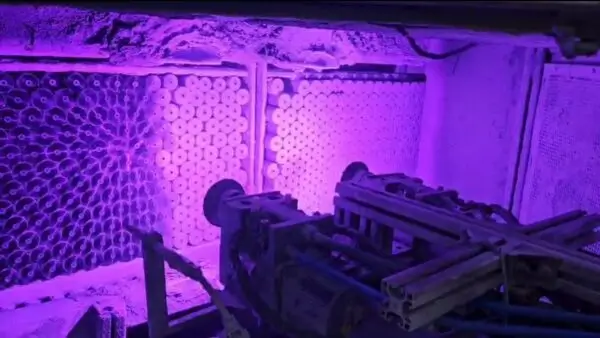
Tin-Zinc wires are widely used for metallizing the front surfaces of film and paper capacitors, ensuring excellent conductivity, stable electrical performance and extended component lifespan.
Thin-Film Deposition
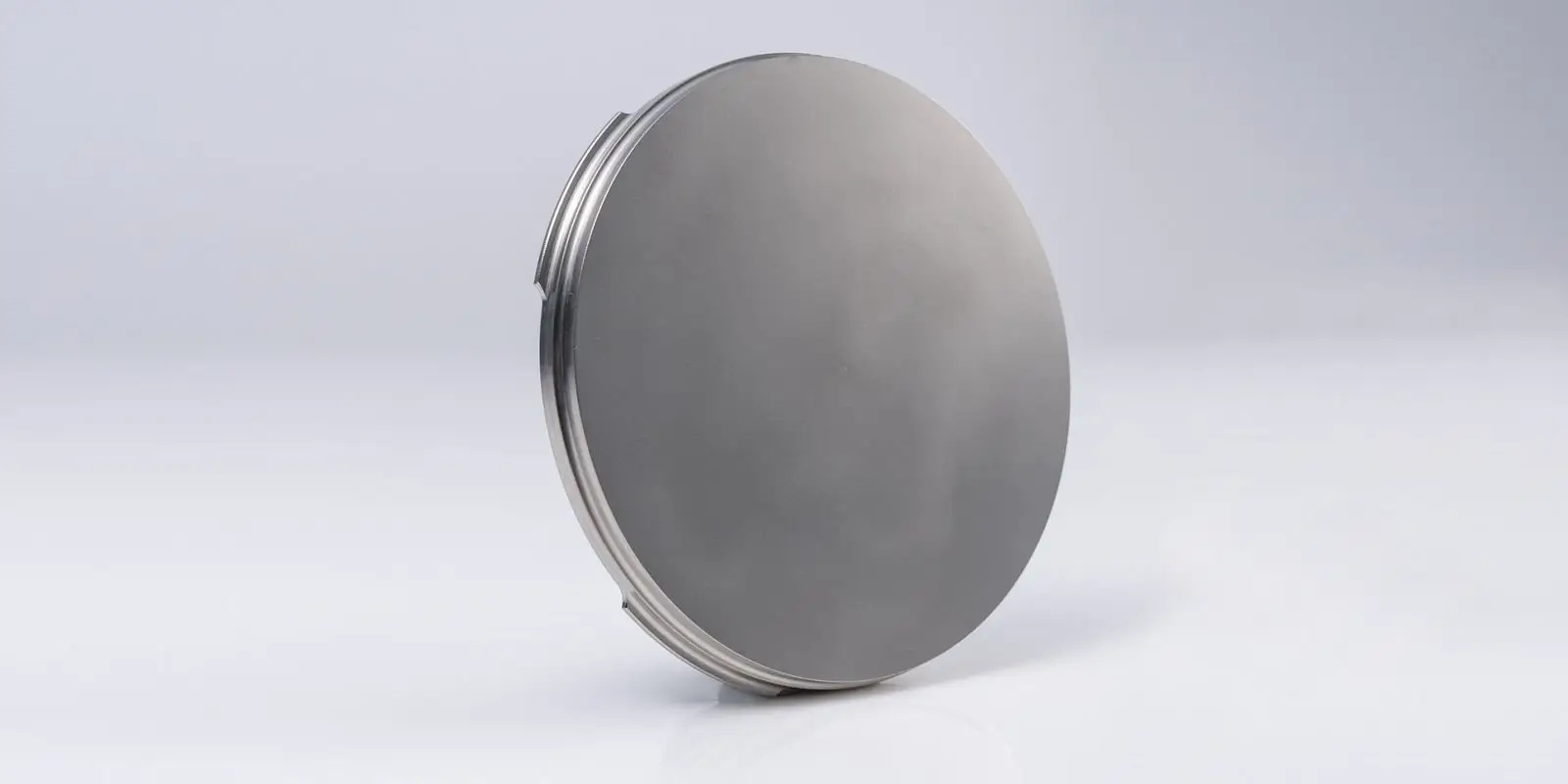
Tin-Zinc wires serve as material sources for sputter target manufacturing and thin-film deposition processes, providing controlled alloy layers for electronics, optics and semiconductor applications.
Tin Zinc Wire FAQs
How do tin-zinc wires perform when compared to pure zinc or aluminium wires?
Our Tin-zinc wires provide better corrosion protection and adhesion than pure zinc, while maintaining lighter weight and easier processability than zinc aluminium wires, making them a balanced choice for thermal spraying and coating applications.
Can your tin-zinc wires be used with all thermal spray systems?
Yes, our wires are compatible with various thermal spray methods and systems, ensuring that they deliver consistent coating quality, smooth feeding performance, and excellent adhesion.
What surface preparation is required before applying tin-zinc coatings?
Before spraying, the surface should be clean, dry and grit-blasted to achieve proper roughness and enhance mechanical adhesion. Proper preparation ensures a dense, uniform, and long-lasting tin-zinc coating.
What operating temperatures can your tin-zinc wires withstand?
Depending on the alloy ratio, tin-zinc wires typically perform well in temperatures ranging between 290-320°C in continuous operation and can endure short-term exposure to higher temperatures during thermal spray processes.
What tests do your tin-zinc wires undergo?
Our wires are subject to rigorous quality tests, including diameter tolerance, chemical composition verification, surface finish inspection, and mechanical strength checks, to ensure batch-to-batch consistency and process reliability.
What is tin-zinc wire used for?
Tin-zinc wire is used primarily for capacitor end-metallizing (schooping), where a fine sprayed metal layer forms reliable electrical contacts on film capacitors. It is also used in specialised solderable and EMI-shielding coatings.
Why choose tin-zinc for capacitor metallizing?
Tin-zinc offers the right balance of adhesion, conductivity and solderability for capacitor end-spray, giving stable contact resistance and long-term reliability — which is why manufacturers like Indtech Capacitors partner with CeeDee.
What tin-zinc compositions are available?
CeeDee manufactures tin-zinc wire in the ratios standard for capacitor and electronics metallizing, with custom Sn/Zn blends available to match your metallizing equipment and performance targets.
How is tin-zinc wire priced?
Pricing reflects the tin content, diameter and order volume alongside metal-market rates. Contact CeeDee for current tin-zinc pricing and export terms.
Is tin-zinc wire suitable for EMI shielding?
Yes — sprayed tin-zinc layers can provide effective electromagnetic shielding on enclosures and electronic components, combining conductivity with corrosion resistance.
What diameters do you supply for schooping?
CeeDee supplies fine-diameter tin-zinc wire matched to capacitor schooping and arc/flame metallizing equipment; share your machine spec and we will recommend the correct diameter and spool format.
How do I request tin-zinc samples?
Send your capacitor or metallizing specification via the contact form and CeeDee will arrange samples, pricing and technical support for qualification trials.
Have Any Question?
We’re happy to help.